25 Product Comparison & Aesthetic Analysis Prompts: GPT Image 2's Most Underrated Practical Use Cases
From seasonal color analysis to brand visual deconstruction — GPT Image 2 isn't just for creating beautiful images, it's for helping you "see" and "compare"
25 Product Comparison & Aesthetic Analysis Prompts: GPT Image 2's Most Underrated Practical Use Cases
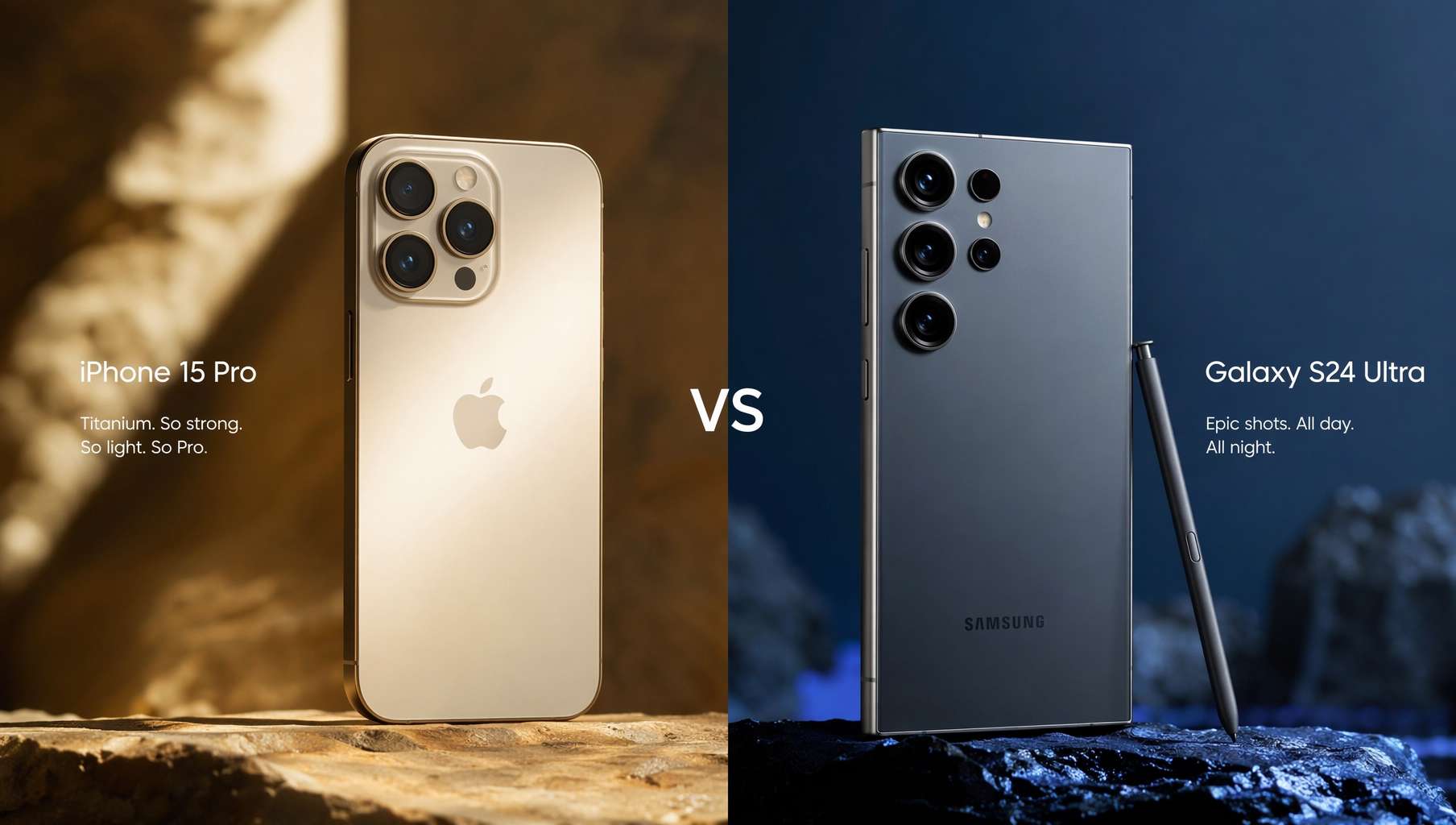 From seasonal color analysis to brand visual deconstruction — GPT Image 2 isn't just for creating beautiful images, it's for helping you "see" and "compare"
GPT Image 2's most underrated superpower isn't generating gorgeous visuals—it's comparison and analysis.
From "seasonal eye makeup color analysis" to "AI giants comparison poster," from "food specimen dissection" to "outfit style breakdown"—the images that go viral on X (Twitter) are all powered by one thing: a prompt-driven "visual thinking" framework.
This article cherry-picks 25 of the most practical product comparison & aesthetic analysis prompts from the GitHub prompt community (awesome-gpt-image-2-prompts), organized by 5 key scenarios. Each includes the author, full prompt, and breakdown techniques.
Tip: All prompts below can be copied and used directly. Some require uploading reference images. Best results achieved with ChatGPT Plus using the GPT Image 2 model.
Scenario 1: Personal Color & Image Analysis
The most practical direction—upload a selfie and let AI complete your full color diagnosis, hairstyle recommendations, and outfit suggestions. This type of content has massive reach on Little Red Book and Instagram.
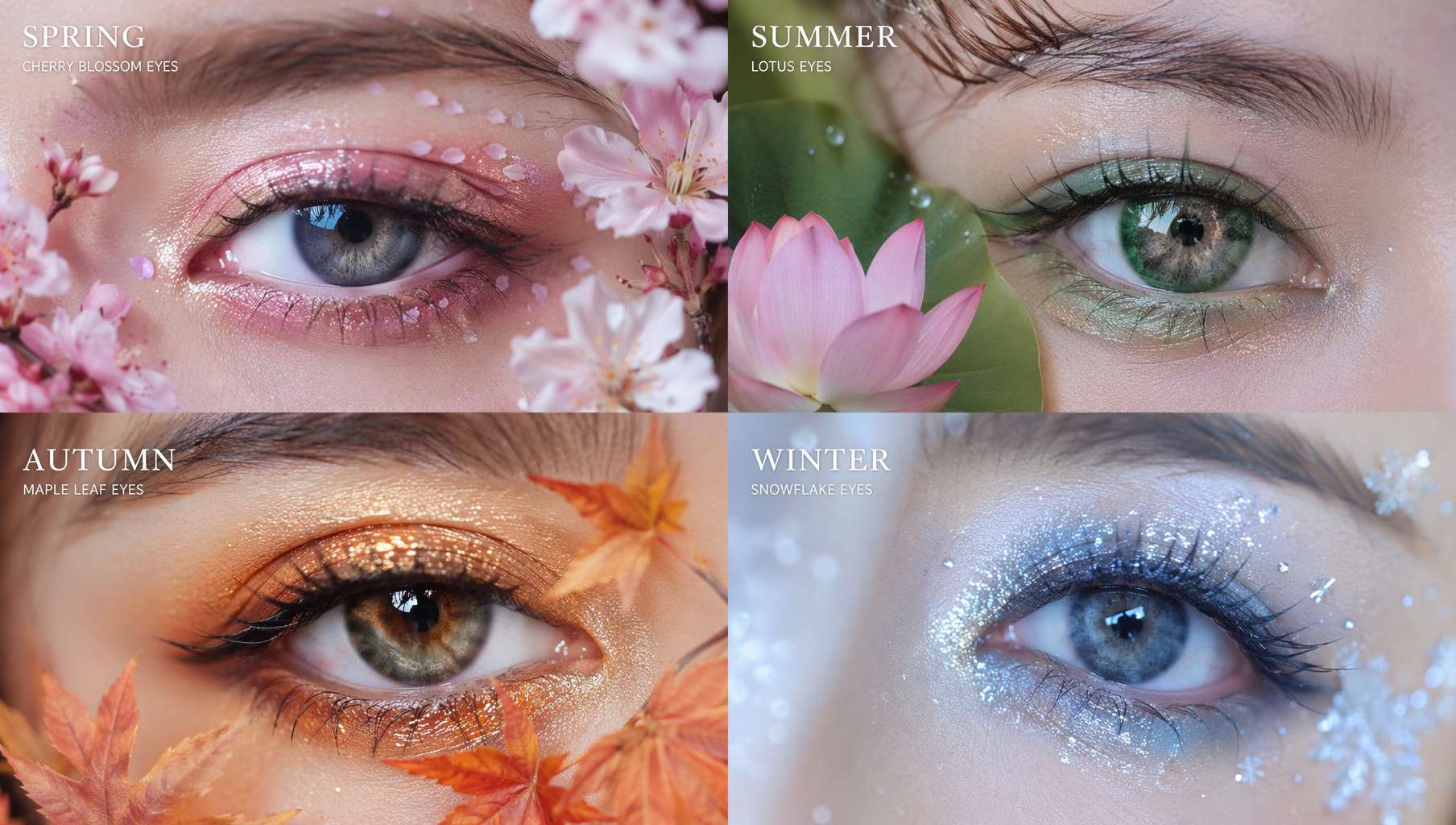
1.1 — Four-Season Eye Makeup Color Analysis (Ultra-Realistic Four-Panel)
Author: @liyue_ai | Source: comparison.md Case 10
Based on an eye close-up image, generate a 3:4 four-panel ultra-realistic eye close-up composition arranged by spring, summer, autumn, and winter from top to bottom.

First panel: Eyes with cherry-blossom-colored contact lenses, lashes adorned with mini spring flowers, face scattered with cherry petals and yellow stamens, pink butterflies around brows, light golden hair strands, clusters of cherry blossoms below, white artistic "SPRING" lettering in the center, delicate and beautiful style, soft lighting, soft pink healing colors, calligraphy script "spring" below;

Second panel: Eyes with clear lotus-colored contact lenses, lashes decorated with pink lotus and green water plants, face with glistening water droplets, pink petals and green lotus details, dragonflies circling, light golden hair faintly visible, white artistic "Summer" lettering highlighted in center, transparent flowing light effect, clean and cool colors, calligraphy script "summer" below;

Third panel: Eyes with gold and red intermingled contact lenses, lashes decorated with orange-red maple leaves, face scattered with gold-red autumn leaves, orange butterflies dancing across brows, faint golden hair, striking white artistic "AUTUMN" lettering, warm golden lighting, rich and warm colors, calligraphy script "autumn" below;

Fourth panel: Eyes with snowy blue contact lenses, lashes covered with ice crystals and snow flakes, face scattered with white snow and red plum blossoms, silver-white butterflies dancing across brows, frosted golden hair, bright white artistic "WINTER" lettering, cold icy blue-white flowing light, clean and pure colors, calligraphy script "winter" below.

Overall present a dreamy fantasy scene of eyes transitioning through four seasons, adjust lighting intensity across panels to create richer atmosphere.
Breakdown:
- Four-panel side-by-side comparison is the classic format for color analysis—spring/summer/autumn/winter = four color systems, differences visible at a glance
- Each panel has precise color keywords (
cherry-blossom pink/clear lotus/gold-red/snowy blue) with matching elements (flowers/butterflies/water drops/snow) - Bilingual labeling with
calligraphy scriptin Chinese +SPRINGin English—balances aesthetics and recognizability
Applicable to: Personal color diagnosis, beauty influencer content, seasonal color theory education
1.2 — Personal Color Analysis (Minimalist English Version)
Author: @ZaraIrahh | Source: ui.md Case 128
Create a personal color analysis graphic using this portrait. Point out which season colour suits the subject best. Show side-by-side clothing color comparisons to highlight which colors suit the subject best. List out what texture/accessories/hairstyle suit the subject best. Make it visual-first, with short labels only and no paragraphs.
Breakdown:
- Under 50 English words generates complete personal color analysis—GPT Image 2 has strong pre-training for "personal color analysis"
visual-first, with short labels only and no paragraphsis the key constraint—prevents AI from generating long text blocks- Upload a portrait photo and it automatically matches the best seasonal colors
Applicable to: Quick color diagnosis, image consultant initial suggestions, social media sharing
1.3 — Personal Image Analysis Card (Multi-Dimensional)
Author: @you1873118 | Source: ui.md Case 123
Based on the portrait photo I upload, create a personal image analysis card set including hairstyle, makeup, color, and jewelry. Requirements: preserve facial features and skin tone without over-editing, show all changes on the same authentic face, clean and elevated style. Hairstyle: length, curl/straight, bangs—compare best/normal/not recommended (makes face look smaller/older). Makeup: analyze brows, eyes, nose, lips with tags (natural, brightening, soft). Color: different colors on body compare recommended/normal/unsuitable (whitening/aging). Jewelry: pearls, jade, red/blue stones, diamonds, gold—compare recommended/normal/not recommended. Overall: visual-focused, concise text, 4:5 aspect ratio.
Breakdown:
- Four-dimensional analysis system: hairstyle + makeup + color + jewelry—covers all key personal image dimensions
- Each dimension has three-level ratings (recommended/normal/not recommended) + reason tags (face-slimming, aging, whitening)
preserve facial features and skin tone without over-editing—ensures analysis is based on authentic appearance
Applicable to: Image design consultants, beauty influencer deep-dive content, personal branding
1.4 — Outfit Breakdown Chart (Fashion Infographic)
Author: @Shinning1010 | Source: ui.md Case 126
Create a clean vertical fashion infographic from the uploaded portrait. Preserve the same face identity, hairstyle, body shape, and overall outfit style. Place the full-body character in the center in a relaxed T-pose, facing forward. Surround the character with realistic photo-style outfit breakdown elements, connected by thin arrows.

Include separate cutout sections for: head details, cardigan, sailor top, inner blouse, plaid skirt, bag, socks, loafers, color palette, styling notes, and fabric texture. Add 3–4 head close-ups from different angles at the top. Use short English handwritten-style labels and concise bullet points.

Visual style: soft pastel cream and blush-pink background, clean fashion board layout, elegant magazine-style composition, sweet preppy aesthetic, realistic fabric textures, delicate borders, small bow and heart doodles, airy and polished design. Keep the text short, readable, and fully in English. Original vertical aspect ratio.

Negative Prompt:

Chinese text, long text, messy layout, old parchment background, yellow aged paper, blurry details, distorted face, changed identity, extra limbs, bad hands, duplicated body, unrealistic fabric, cartoon style, anime style, 3D render, watermark, logo, unreadable typography, overcrowded design, harsh colors, low resolution.
Breakdown:
- Standard fashion infographic structure: center character in T-pose + arrows connecting + individual item cutouts
3-4 head close-ups from different angles—multi-angle views are essential for professional image analysis- Negative Prompt excludes common generation errors (Chinese text, cartoon style, facial distortion)
Applicable to: Fashion influencer content, fashion magazine mood boards, clothing brand lookbooks
1.5 — Korean Magazine-Style Portrait (Complete Aesthetic Analysis Template)
Author: @zhiyangzhu22222 | Source: comparison.md Case 66
9:16 vertical composition, single female artistic portrait, young East Asian woman, fine features, soft facial lines, natural translucent skin, preserve authentic texture, quiet elevated aura with slight detachment and narrative quality.

Photography studio style merged with natural light, soft side lighting, delicate face highlights, soft shadows, overall translucent lighting without harshness, subtle black mist filter effect, slightly hazy, soft glow, strong sense of air.

Minimalist clean background, cream gray, off-white, pale khaki or misty warm gray wall, substantial negative space, overall simple composition with breathing room.

Model sitting on ground or low platform, one leg naturally bent, one leg relaxed and extended, body slightly forward or sideways lean, asymmetrical shoulders, head gently tilted, movements natural and relaxed, unstaged.

Expression calm and restrained, soft eye contact, slightly detached, hint of contemplation, lips naturally slightly parted or gently closed, languid, quiet, delicate state.

Hairstyle natural voluminous long hair, slightly tousled shorter strands, soft hair texture, sense of air and layers, like recently tidied while preserving natural casual feeling.

Makeup elegant light makeup, Korean-style transparent base, skin with soft matte glow, natural highlights on bridge and cheekbones, clean brows, subtle but expressive eyes, long lashes, lip color in low-saturation rose or milky nude tone.

Outfit minimalist elevated: off-white fitted ribbed knit tank top, layered with loose white shirt or soft knit cardigan, bottoms high-waisted midi skirt or simple shorts, soft fabric fitting form without over-exposure, presenting natural body lines with literary aesthetic.

Image emphasizes delicate texture, soft tones, light French and Korean magazine aesthetic merged, authentic photography feel, cinema-level skin quality, rich details, clear hierarchy, restrained composition, elevated aesthetics, fashion editorial portrait, cinematic soft portrait, delicate texture, ultra-high detail, photorealistic, elegant, refined, high-end fashion photography, subtle sensuality, clean composition.
Breakdown:
- Complete aesthetic analysis template—this prompt itself is a "high-end portrait photography aesthetic standards document"
- From lighting (
soft side lighting) to skin quality (soft matte glow) to lip color (low-saturation rose), every dimension precisely defined - The word
restrainedappears repeatedly—restraint is the core of elevated aesthetics: "nothing excessive"
Applicable to: Portrait photography style reference, aesthetic standard establishment, photographer communication brief
Scenario 2: Product & AI Tool Comparison
A/B comparison graphics, tool competitive analysis posters, brand deconstruction—turn "comparison" itself into visual content.
2.1 — Restaurant Camera Angle Change A/B Comparison
Author: @chesnyfcb | Source: comparison.md Case 70
A side-by-side comparison graphic on a black background demonstrating a camera-angle change in the same restaurant scene. At the top, large white sans-serif text reads: "Show me the POV from someone standing behind the bar looking out over this crowded restaurant. Change NOTHING in the scene other than the pov". Below, place 2 stacked rectangular photos centered vertically: the top image labeled "Source" in large white text on the left, and the bottom image labeled "Output" in large white text on the left. The top photo shows a warmly lit, upscale, crowded restaurant interior seen from the dining room side, facing a tall back bar filled with many illuminated liquor bottles on wall-to-wall shelves, with bartenders and guests in front, amber lighting, globe pendant lights, wood ceiling, beige columns, and tightly packed seated diners in the foreground. The bottom photo shows the exact same restaurant, same crowd density, same warm lighting, same decor, same bar shelving, same globe pendant lights, and same overall composition elements, but now from the point of view of someone standing behind the bar and looking outward across the crowded restaurant; the foreground includes the bar counter with glassware, metal bar tools, bottles, and a point-of-sale screen visible at the lower left, while guests and staff fill the middle ground and the dining room extends into the background. Preserve the sense that only the camera position changed between the 2 images, with no other scene alterations.
Breakdown:
- Source / Output dual-column structure is the golden format for AI comparison graphics—original above, result below
- Top displays comparison conditions in large white text (
Change NOTHING other than the pov) - Both image descriptions remain highly consistent, only the perspective changes—this is visual "controlled variables"
Applicable to: AI capability demonstration, product before/after display, perspective analysis teaching
2.2 — Neon Cyberpunk AI Thumbnail Comparison (Nano Banana vs GPT Image 2)
Author: @MoveHiro1219 | Source: comparison.md Case 72
Create a dramatic Japanese YouTube thumbnail in a futuristic neon cyberpunk style, 16:9 landscape. Use a dark tech-city background with faint skyscrapers, digital grid lines, glowing particles, and high-contrast blue, pink, and gold lighting. In the exact center, place a young woman from the waist up with long straight pastel blue hair, wearing a plain white short-sleeve T-shirt and a light pink skirt, posing thoughtfully with one hand near her chin and the other arm folded; anonymize her face with a soft rectangular blur. Across the very top, add huge distressed bold white Japanese headline text reading 主導権が揺れた, and directly below it add large bold yellow text reading {argument name="subheadline text" default="Nano Bananaから"}. On the left side, create a glowing blue hexagonal-framed panel titled Nano Banana with a smaller subtitle 画像生成. Inside that panel, include exactly 4 image tiles in a 2x2 grid: 1) a fantasy floating island landscape at sunset, 2) a sunlit forest path with tall trees, 3) a neon futuristic city street at night, 4) an outer-space planet scene with stars and a spacecraft. Beneath the left panel, add a blue glowing ribbon label reading かつては優位だった. On the right side, create a glowing magenta hexagonal-framed panel titled {argument name="right panel title" default="GPT Image 2"} with a smaller subtitle 実務で使える出力へ. Inside it, include exactly 4 example thumbnail cards in a 2x2 grid, each featuring the same blue-haired woman with a blurred face and bold Japanese text. The 4 card labels above the tiles are: サムネイル画像, 記事のアイキャッチ画像, LPのセクション画像, SNS投稿画像. The large text inside the 4 cards should read respectively: 1) AIで変わるクリエイティブの未来, 2) AI時代のクリエイティブ戦略 成功する企業の条件, 3) AIで加速するビジネス成長, 4) 未来をつくるのは AI×あなたのアイデア. Between the left and right panels, place a bright glowing gold arrow pointing from left to right with spark-like particle trails, indicating transition or superiority shift. Along the bottom, add a very large black banner with a glowing gold border and massive bold gold text reading {argument name="bottom banner text" default="GPT Image 2へ"}. Overall composition should feel like a comparison graphic showing a shift from older image generation to more practical commercial output, with aggressive thumbnail typography, strong glow effects, metallic texture on major text, and polished social-media marketing visuals.
Breakdown:
- Left-right dual-column comparison: left = older tool (Nano Banana, artistic landscapes), right = new tool (GPT Image 2, commercial practicality)
- Gold arrow in the middle + spark particles = visual narrative of "power shift"
{argument name=...}is template-driven design—swap parameters to compare any tools
Applicable to: AI tool review thumbnails, tech blog covers, product competitive analysis
2.3 — Cyberpunk AI Big Three Comparison Poster (Google vs Claude vs OpenAI)
Author: @MoveHiro1219 | Source: comparison.md Case 73
A futuristic Japanese tech comparison poster in a dark cyberpunk control-room setting, wide 16:9 composition. Large distressed white Japanese headline text at the upper left reading "三つ巴", with a bold gold subtitle directly below reading "それぞれの武器". Across the center-left are 3 glowing holographic comparison panels arranged horizontally and connected by neon arrows: a blue panel labeled "Google", an amber-gold panel labeled "Claude", and a purple-magenta panel labeled "OpenAI". The Google panel contains 4 inner cards: 2 larger top cards labeled "Gemini" and "Antigravity", plus 2 smaller bottom cards showing analytics/dashboard-like visuals and a blue isometric cube graphic. The Claude panel contains 4 inner cards: 1 large top card labeled "Claude Code", plus 3 smaller bottom cards showing a network diagram, text/code list, and chart analytics. The OpenAI panel contains 5 inner cards: 2 larger top cards labeled "ChatGPT" and "Codex", plus 3 smaller bottom cards showing interface/code windows and a geometric wireframe cube. Add glowing bidirectional arrows between Google and Claude, and between Claude and OpenAI. At the bottom center, place a large neon-framed banner with gold text reading "Google / Claude / OpenAI". On the right side, include a young woman standing and pointing left toward the panels, with long straight split-dyed hair in pastel pink and cyan blue, a plain white t-shirt with black text reading "{argument name="shirt text" default="OKIHIRO AI Creative"}", and a soft pink pleated skirt. Her face is obscured by a smooth rectangular blur block. Use cinematic sci-fi lighting, glossy hologram UI details, high contrast, vivid blue-gold-purple accents, and a polished YouTube thumbnail aesthetic.
Breakdown:
- Three-column side-by-side comparison: blue (Google) / gold (Claude) / purple (OpenAI)—color coding distinguishes teams
- Each panel contains sub-product cards (Gemini, Claude Code, ChatGPT), forming hierarchical comparison
- Bidirectional arrows suggest competitive relationship rather than unidirectional hierarchy—more objective stance
Applicable to: AI industry analysis, tech media thumbnails, competitive analysis posters
2.4 — Mob Boss Hyperrealistic Portrait (GPT Image 2 vs Gemini Comparison)
Author: @john_my07 | Source: comparison.md Case 78
GPT Image 2.0 on ChatGPT vs Google Nano Banana 2 on Gemini. PROMPT: Create a hyper-realistic, cinematic portrait of me (use uploaded face) as a modern mafia boss. I'm sitting in a luxury black car, wearing a black suit and tinted aviator sunglasses, smoking a thick cigar. Cold, fearless expression. Background: moody sky + blurred city/street for noir feel. Cool tones, high contrast. Sharp details on face & smoke. Style: 8K, movie-poster quality, shallow depth of field 1:1
Breakdown:
- Same prompt across different tools comparison—the most direct competitive analysis method
- The prompt itself is a standard cinematic portrait formula: scene (luxury car) + wardrobe (black suit) + props (cigar, sunglasses) + lighting (cool tones, high contrast)
use uploaded facemakes comparison more convincing—same face, different AI processing capabilities visible at a glance
Applicable to: AI tool comparison, image generation quality benchmarks, tech blog materials
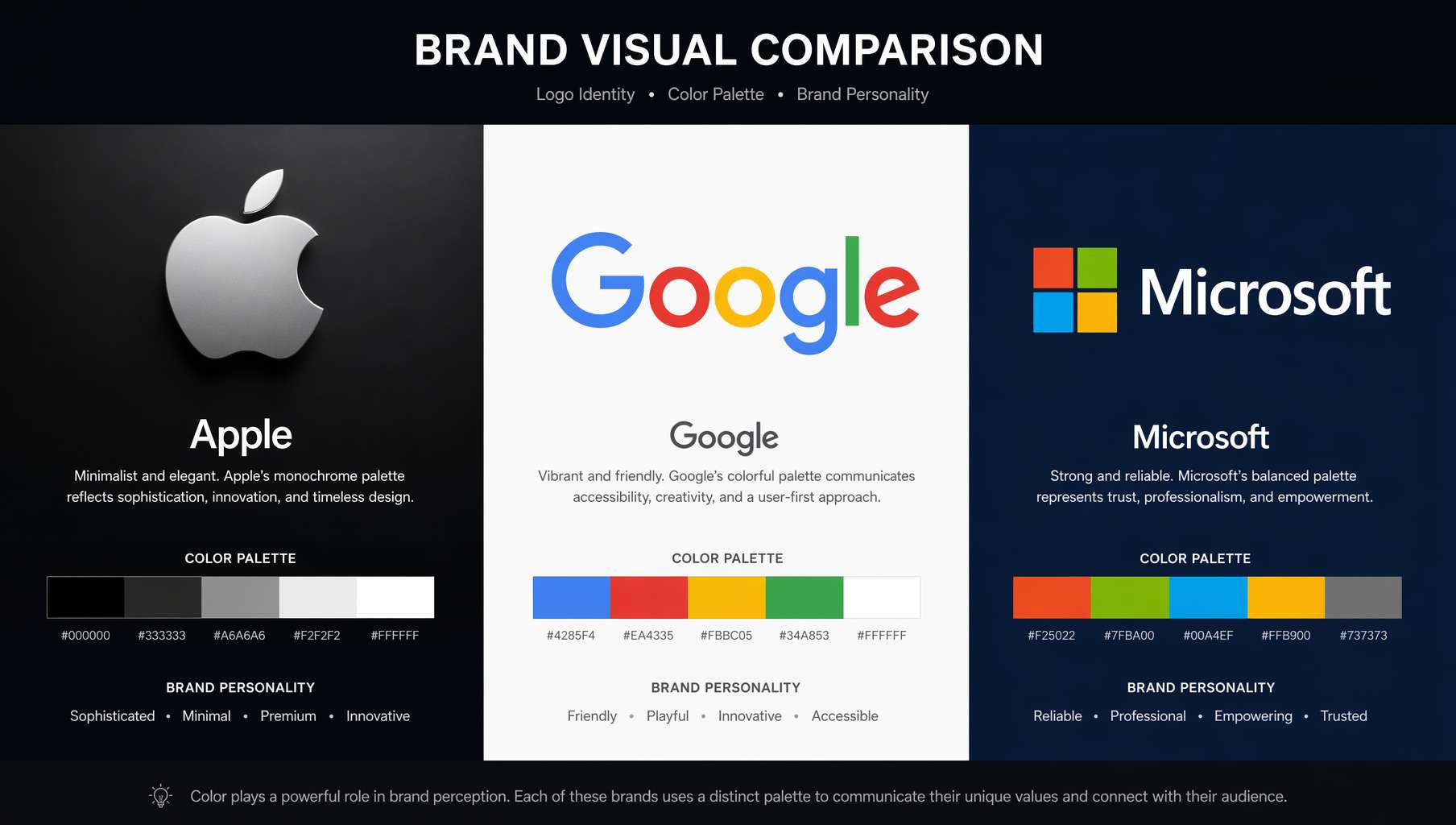
2.5 — Visual Brand Deconstruction Graphic (One-Liner Template)
Author: @X7649158034321 | Source: comparison.md Case 80
Please generate a visual brand deconstruction graphic for me that I can later use to create explanatory videos.
Breakdown:
- Most minimalist brand analysis prompt—just 18 Chinese characters
- GPT Image 2 automatically deconstructs brand visual elements: logo, color palette, typography, layout, graphic systems
later use to create explanatory videoshints at use case, AI automatically selects layouts suitable for video materials
Applicable to: Brand analysis video materials, design retrospectives, brand training materials
Scenario 3: Food & Lifestyle Dissection
Present everyday objects in "museum specimen" style—food cross-sections, urban aesthetic analysis, narrative poster design frameworks.
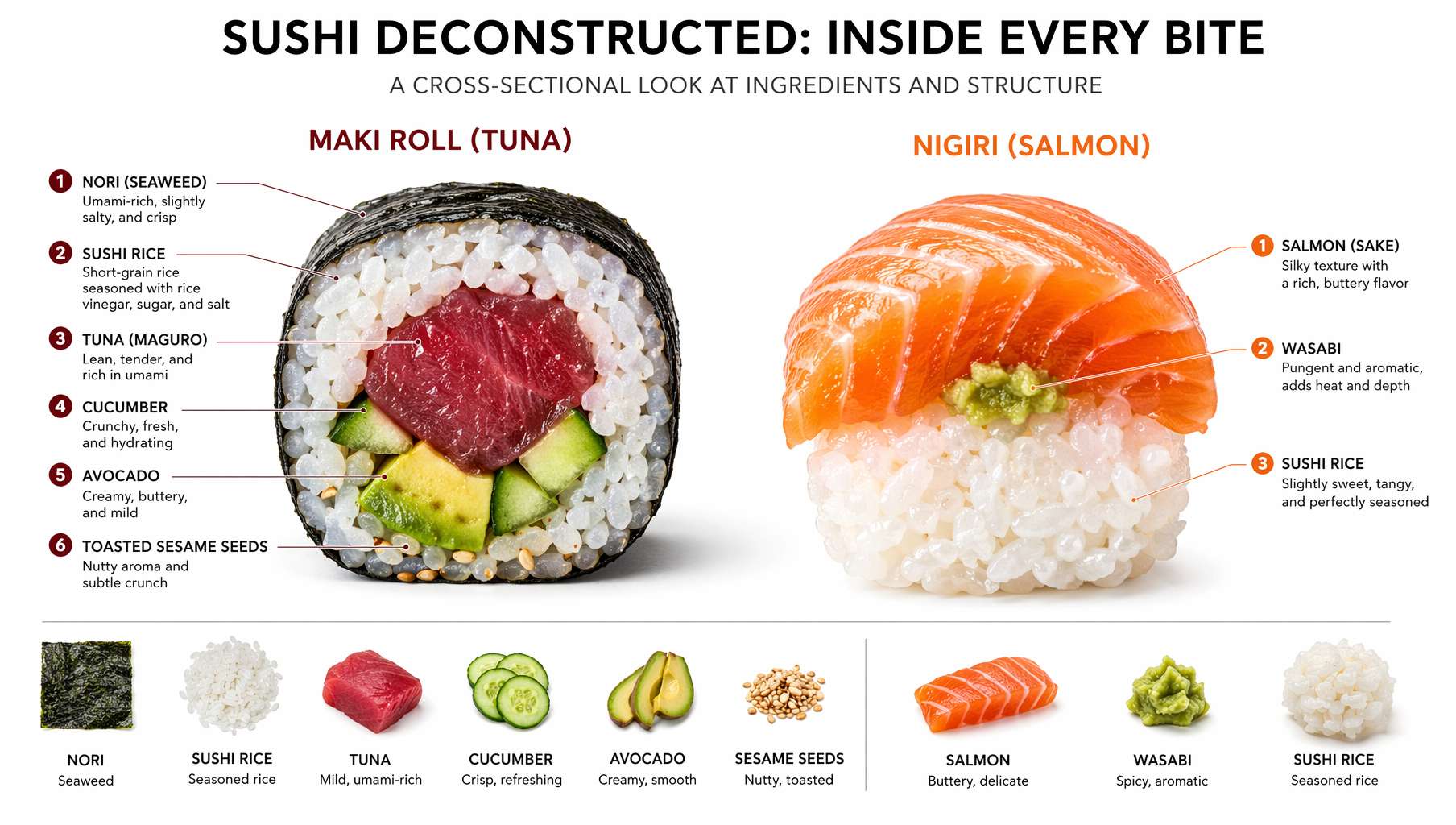
3.1 — Naturalist Food Specimen Dissection (Universal Template)
Author: @GeekCatX | Source: comparison.md Case 68
A [food item], dissected as a naturalist master discovering wild specimens in nature.
Dissected, unfolded, mounted—like precious museum collections,
yet illuminated by Caravaggio's light as he shot for National Geographic.
Every internal structure glows with its own material truth.
Cross-sections sharp as violence. Interior beauty near sacred.
Complete specimen presented in frame:
One half preserved in original state, showing [external appearance: texture/color/patterns];
Other half dissected to core, [internal core structure: 1-2 key internal visual features] clearly visible.
[Add 1-2 sentences describing the most visually striking cross-section details of this food]

Background: pure black velvet.
[Food item] floats within, like some precious and dangerous artifact.
Label text hugs structure edges, hand-written serif font, never floating.
Frame includes following annotations, each annotation three lines:
First line: structure name,
Second line: composition/data explanation,
Third line: plain language explanation:

[Structure 01 Name]
[Composition/Data Information]
[What this structure does and why it matters]

[Structure 02 Name]
[Composition/Data Information]
[What this structure does and why it matters]
[Structure 03 Name]
[Composition/Data Information]
[What this structure does and why it matters]
[Structure 04 Name]
[Composition/Data Information]
[What this structure does and why it matters]
[Structure 05 Name]
[Composition/Data Information]
[What this structure does and why it matters]

[Structure 06 Name]
[Composition/Data Information]
[What this structure does and why it matters]
Continue with same format if more structures exist.
Main title, upper left, warm ivory capitals:
[Food Item] · Dissection

Italic subtitle immediately following:
[One sentence revealing the essence of this food, max 15 words]

Overall aesthetic: Audubon natural history illustration × Caravaggio lighting × most beautiful scientific photography ever. 4K precision, specimen lighting, ultimate internal detail. No clinical feeling, everything alive. Photorealistic style, not conceptual, not cartoon, not simplified infographic. Every material has authentic physical texture:
Rough, smooth, moist, dry, dense, loose.
Breakdown:
- Fill-in-the-blanks template—swap food names and descriptions to generate museum-quality dissection for anything
- Three-layer annotation system (structure name + data + plain language) makes scientific content professional yet readable
Caravaggio lighting × naturalist illustration × scientific photography—three aesthetic intersections define the unique visual style
Applicable to: Food bloggers, science education, food brand visual design, museum exhibition materials
3.2 — Neo-Chinese Minimalist Floral Illustration (Color Mastery Class)
Author: @liyue_ai | Source: comparison.md Case 53
Neo-Chinese minimalist Eastern aesthetics × high-end commercial illustration, theme: one flower, one world,
minimalist, restrained, ethereal, elevated commercial visual, surreal Eastern sentiment,
clean and translucent frame, no gray haze, no muddy colors,

One massive lotus as space container, naturally growing from still water surface, subtle tilt, elegant composition with ample white space,

Low-saturation clean pink, soft blush tone, semi-transparent petals, light and translucent,
matte low contrast, softened edges + slight depth of field,

Inside lotus as only visual focal point: glowing 3D miniature Guangzhou city, including:
Guangzhou Tower, Zhujiang New Town architecture cluster, Liede Bridge, Pearl River waterfront, select Lingnan buildings,

City ultra-fine structure, authentic materials, extremely high detail clarity, city highlights in warm gold, city shadows in cool cyan-blue, creating cold-warm contrast,

Lighting translucent with energy, local high saturation but not excessive, city brightness clearly higher than lotus,

Water surface clear minimalist and still, only subtle soft ripples, weak reflections,

Background warm off-white rice paper texture, no ink wash, no brush marks, vast white space,
center with extremely subtle light halo gradation, overall translucent without murkiness or heaviness,

Below composition one ultra-minimalist small boat, one woman fisher in red on boat, ultra-small proportion,
standing still gazing upward at lotus, red as only high-saturation accent detail,

Overall lighting translucent, clean, layered, no gray haze, no blown-out highlights,
high-end CG commercial illustration, cinema-level authentic lighting, high dynamic range, ultra-fine, 8K detail, ArtStation quality, strong color separation, clean color grading, cyan-orange contrast, warm highlights cool shadows, only city lights increase saturation, soft color tone, sharp bright lighting, no gray haze, no darkness, no low-saturation haze.
Breakdown:
- Color control textbook—from overall tone (low-saturation clean pink) to local exception (red-clad fisher = only high-saturation accent)
- Abundant negative descriptions (
no gray haze,no muddy colors,no ink wash,no brush marks)—precisely excludes unwanted effects Cold-warm contrast(warm gold highlights vs cool cyan shadows) is core advanced visual design technique
Applicable to: Brand visual design reference, commercial illustration color schemes, urban cultural IP creativity
3.3 — Outline Universe Narrative Poster (Aesthetic Design Framework)
Author: @MrLarus | Source: comparison.md Case 23
Please automatically generate a high-aesthetic "outline universe / collector's edition narrative poster" style work based on theme [theme: xxx]. Do not confine the composition to fixed objects or common containers, do not default to bottles, hourglasses, glass domes, pocket watches or similar conventional vessels. Instead, let AI independently judge and select the most fitting, most symbolically meaningful, strongest-outline, most narrative-carrying main outline vessel. This main outline can be an object, building, door, tower, arch, dome, stairwell, corridor, statue, side profile, eye, palm, skull, wing, mask, mirror, throne, circle, crack, light screen, shadow, geometric structure, spatial cross-section, stage frame, abstract symbol or other more creative and thematically representative visual outline. Require reasonable spatial distribution. Prioritize outlines that amplify thematic aesthetics, create strong visual memory, embody epic feeling, mystery, poetic or design sense over the safest, most common, most ordinary containers.

The composition's core isn't simply containing the world inside an object, but letting the complete thematic world naturally grow within, inside, upon, along the boundary of this main outline or merge with its structure, forming an advanced narrative effect of "thematic universe developing around a symbolic outline." Main outline must be clear, elegant, identifiable, and occupy core position in overall composition. Within outline boundaries or edges, automatically generate complete narrative world strongly bound to theme, content should be rich, full, clearly layered, including most representative theme scenes, core architecture or spatial structures, symbolic and metaphorical elements, character relationships or civilization traces, foreground-midground-background spatial progression, atmosphere layers with fate and emotional tension, plus narrative details like doors, stairs, bridges, water surfaces, smoke, pathways, light sources, ruins, mechanical structures, natural landscapes, abstract forms, organisms or props. All elements must integrate unified, natural, with hierarchy and layering, like a complete world truly gestating within this outline structure rather than simple collage, cropping and filling, material stacking or template-based background.

Overall composition needs strong collector's edition poster aesthetic and elevated design sense, stable major structure, strong clear main outline, inner world with depth, order and breathing, rich details without crowding, complete content without disorder. Can appropriately include small-proportion character silhouettes, distant buildings, light pillars, door openings, bridges, stairs, colonnades, reflections, skylight or distant structures to enhance scale, narrative and epic feeling. Overall frame should be quiet, grand, concentrated, rich with afterthought, no even distribution, no cheap bustle, no pointless stacking.

Style combines collector's edition film poster composition, elevated narrative visual design, dreamlike watercolor texture and paper print aesthetic, emphasizing paper grain, edge feathering, watercolor brush marks, subtle color bleeding, atmospheric perspective, soft haziness, localized volumetric light, light mist penetration, large white space and restrained layout, making the frame look like completed high-end collector's edition visual work by designers rather than ordinary AI generation. Overall aesthetic should be elevated, poetic, grand, sacred, nostalgic, quiet, with legendary and narrative feeling.

Color selection AI automatically judges by theme and matches most appropriate elevated color palette, but must maintain unified, restrained, enduring, low-saturation, elevated aesthetic, never chaotic high-saturation, never cheap neon feeling, never plastic digital feeling. Colors can vary around black-gold-gray, cool blue-gray, misty white-gray, brown-red off-white, dark copper, aged paper, deep-sea blue, twilight purple, silver-gray systems, but must always serve theme and maintain poster-level aesthetics and overall harmony.

Final requirements: first glance has strong thematic recognition and outline memory, second glance has complete rich narrative world, third glance still has details and lingering aftertaste. Outline selection must have creativity and thematic match, avoiding repetition, conservatism, common container tricks, prioritizing more symbolic, more spatial, more design-potential outline forms. No ordinary background splicing, no stiff cropping, no templated fantasy materials, no game promo feel, no excessive cartoon, no excessive realism losing artistic feeling, no form dominating content. If suitable, can naturally incorporate subtle restrained title, numbering, signature or inscription making it more collector's edition poster design component, but do not overshadow content.
Breakdown:
- Aesthetic standards encyclopedia—this prompt itself is a design philosophy document
- Core concept:
not containing the world in a vessel, but letting the world grow around the outline—this is comparison analysis at its highest level - Extensive "do not" list (avoid cheap feeling, templated, game aesthetics) sets aesthetic boundaries for AI
Applicable to: Poster design, brand visual exploration, aesthetic training materials
3.4 — Surreal Japanese Cyberpunk Future City (Aesthetic Value Analysis)
Author: @Tresmort | Source: comparison.md Case 62
Using this image as perspective and style reference, create more refined ultra-high-resolution illustration depicting surreal Japanese cyberpunk future city, with ability to discern minute details, including street traditional cultural parade crowds, gangsters in alleys, dance girls in smoke-filled lanes, exhausted office workers, window rooms in buildings filled with various people—students studying, couples arguing, gamers playing, plus more creative details. Satirize boredom within crowded reality, solitude beneath urban prosperity, pathological beauty within meaningless life. Frame must possess extremely high aesthetic value, cannot lose beauty and harmony due to content abundance, proportion 9:16
Breakdown:
- Content density vs aesthetic value balance—
cannot lose beauty and harmony due to content abundance - Using crowd characters for social analysis: office workers, students, gangsters, dancers—each character is a social cross-section
Pathological beautyitself is an aesthetic definition embodying contrast—merging beauty and ugliness, prosperity and solitude
Applicable to: Urban aesthetic analysis, social observation illustration, conceptual art, magazine feature visuals
3.5 — LIME Drug Design Infographic (Academic Comparison)
Author: @WillSpagnoli | Source: comparison.md Case 48
Research LIME Drug Design and make a detailed infographic about it
Breakdown:
- Most minimalist academic infographic prompt—just 10 English words
- GPT Image 2 automatically draws on pre-trained knowledge to generate: molecular structure comparisons, mechanism flow charts, drug design pipelines
- Proves AI can do knowledge-intensive comparison analysis, not just "pretty pictures"
Applicable to: Academic education, research presentations, science communication
Scenario 4: Character & Form Comparison
Game character dual forms, character relationship comparisons, animation perspective switches—let AI showcase "transformation" in single composition.
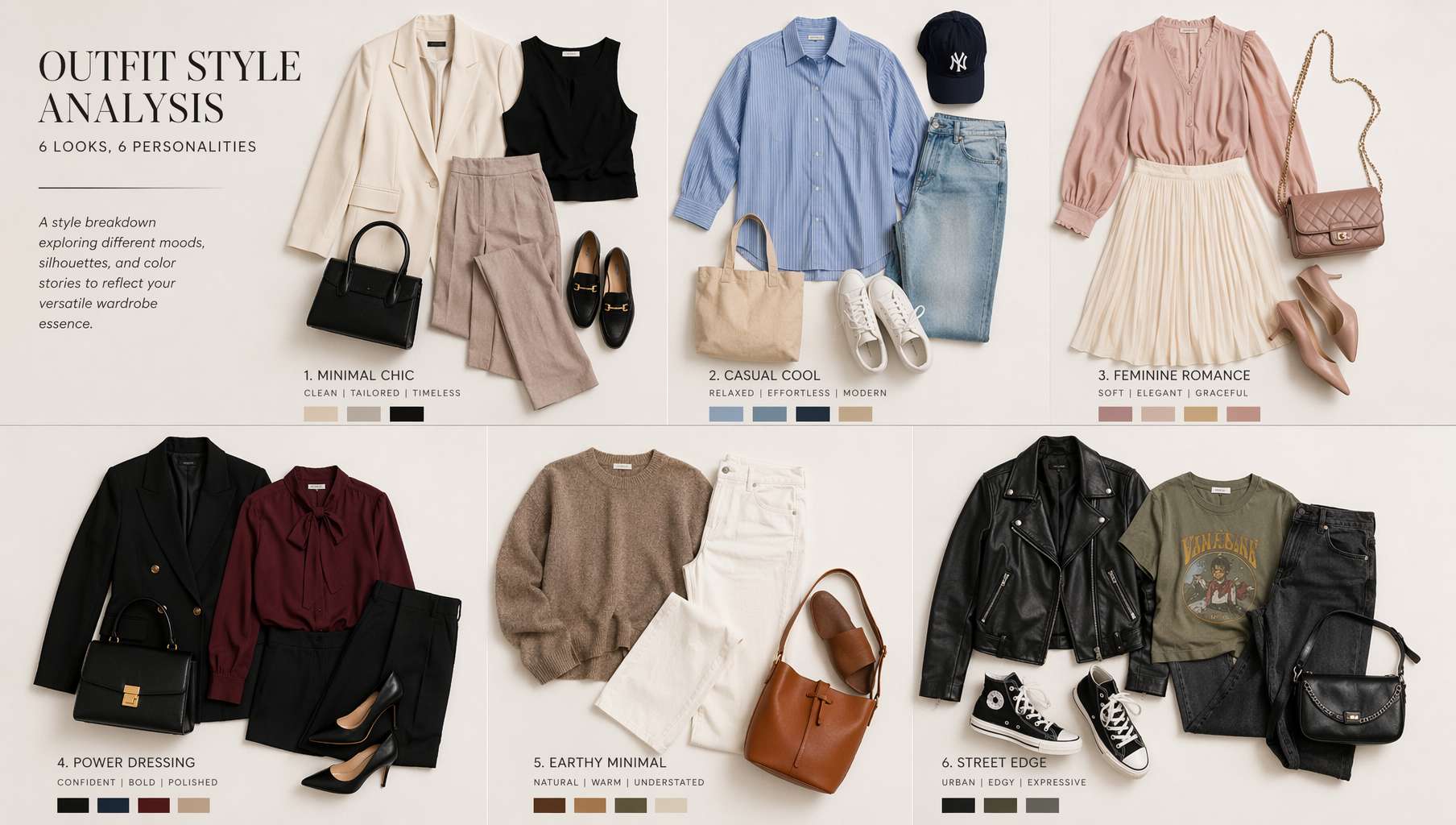
4.1 — Lü Bu Boss Dual Form Design (Dark Evolution Comparison)
Author: @songguoxiansen | Source: comparison.md Case 51
Lü Bu game Boss design, Red Hare and Crescent Moon Halberd, dark evolution dual form comparison
Breakdown:
- 15 characters generate complete game Boss design—core is
dual form comparisontriggering side-by-side display Red Hare and Crescent Moon Halberddefines character identity,dark evolutiondefines transformation direction- GPT Image 2 has strong pre-training for "game Boss design," auto-includes: attribute panels, skill icons, form-switch arrows
Applicable to: Game character design, IP concept art, anime/manga creation
4.2 — Multi-Concept Battle Poster (Character A vs B)
Author: @joshesye | Source: comparison.md Case 33
1. Generate game battle poster of Shiranui Mai and Diao Chan
2. Generate a K-pop group fashion album cover
3. Create a key character relationship diagram for "Pursuit of the Lost Dragon"
4. Screenshot the TikTok homepage of the uploaded image
Breakdown:
- Batch comparison template: one prompt generates 4 different comparison/relationship diagram types
- First item is classic A vs B battle poster—two characters in confrontation composition
- Third item is character relationship diagram—another comparison form showing character connections and conflicts
Applicable to: Game posters, IP character relationship mapping, batch concept art generation
4.3 — Social App Matching Success Interface (Dual Card Comparison)
Author: @songguoxiansen | Source: comparison.md Case 50
Social app matching success interface, two user profile cards colliding with heart effects
Breakdown:
- 18 characters generate complete app matching interface—core is
two user profile cards collidingparallel comparison structure Heart effectsdefines relationship between two cards (matching/affinity)- Fundamentally "dual-card comparison + relationship connection line" UI design pattern
Applicable to: Social app UI concepts, product prototypes, interactive design reference
4.4 — Animation Crowd Perspective Comparison (JSON-Structured)
Author: @chesnyfcb | Source: comparison.md Case 71
{"type":"comparison graphic","style":"anime cinematic demonstration image on a black presentation background","canvas":{"aspect_ratio":"4:3","background":"solid black"},"text_elements":[{"text":"{argument name=\"headline text\" default=\"Move the camera POV to be at ground level in the crowd.\"}","position":"top center","style":"large white sans-serif"},{"text":"Source","position":"left of upper image","style":"large white sans-serif"},{"text":"Output","position":"left of lower image","style":"large white sans-serif"}],"layout":{"sections":[{"title":"Source","position":"upper center","count":1,"labels":["overhead crowd scene"]},{"title":"Output","position":"lower center","count":1,"labels":["ground-level crowd POV scene"]}],"image_frames":2},"images":[{"role":"source image","composition":"busy top-down view of a densely packed historical street crowd, seen from above","scene":"a chaotic crowd gathered around a wagon and a horse-drawn carriage, people pressed shoulder to shoulder, many wearing caps and muted early-20th-century or old-European clothing, bundles and sacks visible, one brown horse at the right edge, wooden wagon wheel and cart structure partially visible","camera":"high overhead bird's-eye angle looking down into the crowd","lighting":"soft daylight","color_palette":"muted earthy browns, dusty blues, beige, olive, warm gray","rendering":"hand-painted anime film still, detailed crowd illustration, slightly soft shading"},{"role":"output image","composition":"the same crowded historical street reimagined from inside the mass of people at near-ground height","scene":"view from within the crowd beside a carriage wheel, bodies filling the foreground and midground, a person in dark maroon clothing bent forward at left, a crouched figure in green near the bottom center, a woman in a light blue dress at right-center turning back, tightly packed figures, horse and cart implied nearby, dramatic sense of compression and closeness","camera":"very low ground-level POV from inside the crowd, upward and forward through people, emphasizing complex occlusion and depth","lighting":"soft daylight with warm cinematic shadows","color_palette":"muted earthy browns, dusty blues, beige, olive, warm gray","rendering":"hand-painted anime film still, cinematic perspective shift, detailed character crowding, soft painterly shading"}],"overall_goal":"show a before-and-after camera angle transformation of the same anime crowd scene, with the output moving from an overhead view to a low immersive POV inside the crowd"}
Breakdown:
- JSON-structured prompt—programmatic way to define every element of comparison graphic
Source/Outputdual-column +overall_goalsummary—ensures AI understands comparison purpose, not just form- Two images maintain identical
color_paletteandrendering, onlycamerachanges—strict controlled variables
Applicable to: Technical demonstrations, animation perspective analysis, AI capability evaluation posters
4.5 — Polaroid Leap Out of Frame (Before-After Comparison)
Author: @MajaDesignJP | Source: comparison.md Case 69
Image of a person in a Polaroid photo who jumps out of the frame. Generate image with Japanese text.

← image below
Generated with GPT Image-2 →
Breakdown:
- Inside frame vs outside frame contrast—character "leaps out" of Polaroid photo
- Implicit before/after structure: 2D flat (in frame) vs 3D dimensional (out of frame)
- Japanese prompt demonstrates GPT Image 2 understands multilingual "breaking boundaries" creative concepts
Applicable to: Creative photography concepts, viral social media content, brand activation visuals
Scenario 5: Beauty & Style Transformation
Eastern fantasy aesthetics, wuxia style analysis, period photography, style transformation—let AI be your "aesthetic consultant."
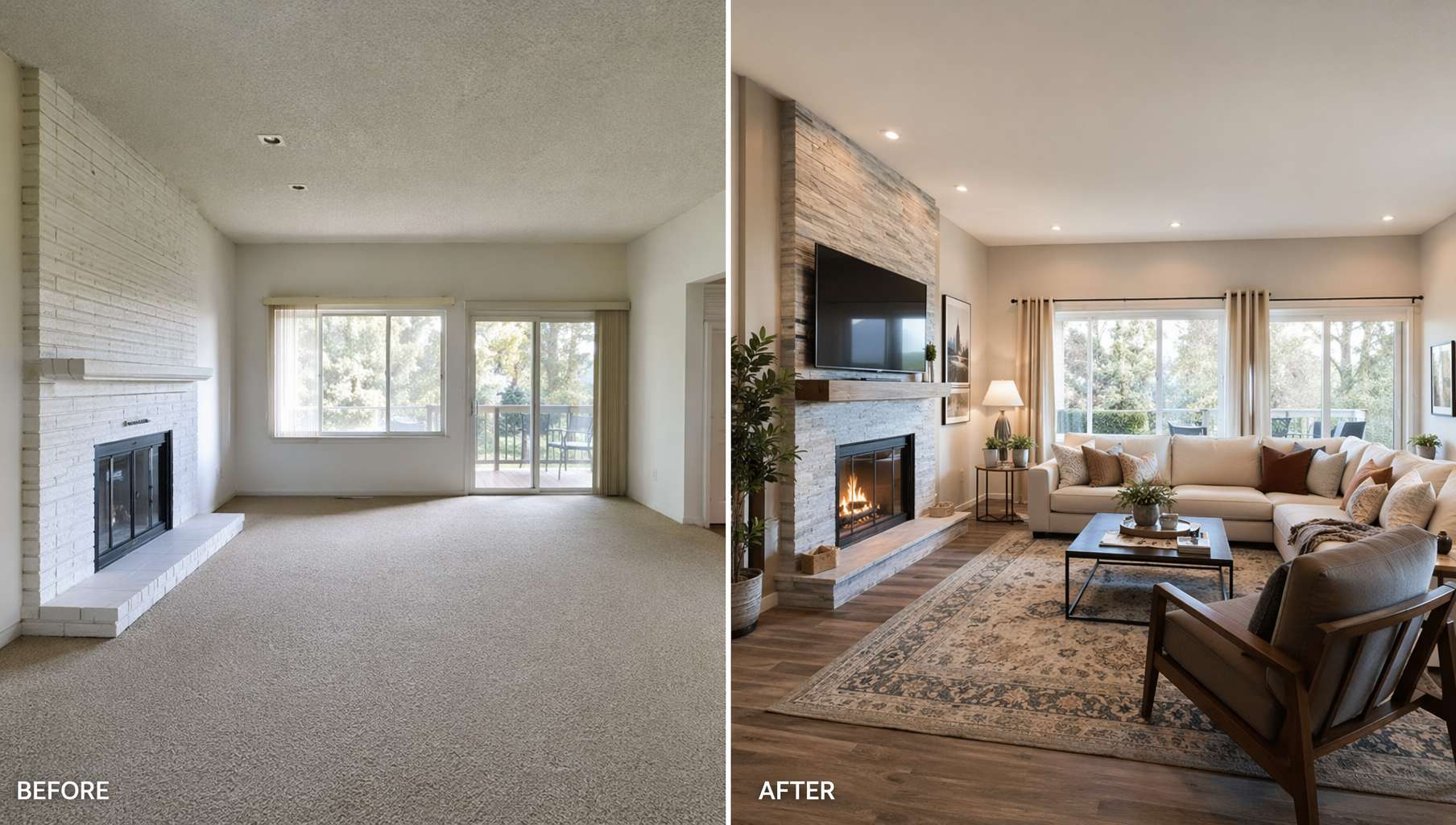
5.1 — Eastern Fantasy Female Portrait (Detailed Aesthetic Breakdown)
Author: @liyue_ai | Source: comparison.md Case 65
Eastern fantasy style female, half-body portrait, glancing back profile, ethereal elegant aura, soft divine beauty, delicate features, downward gazing eyes, cool-white refined skin, light orange-pink makeup, gold highlights

Long flowing hair incorporating colorful flowers and light particles (red, blue, orange, purple) in hair, hair flowing with air texture

Wearing semi-transparent silk evening gown and shawl, material light and translucent, fabric floating with wind, surface with flowing gold texture and shimmering particles

Overall lighting warm golden backlight, strong rim light, obvious volumetric light, floating light particles, soft bloom glow, dreamlike atmosphere

Background clean light color gradient with slight glow and particle effects, overall ethereal, dreamlike, sacred atmosphere

Style: high-end CG illustration, ultra-fine, cinema-level lighting, soft glow rendering, 8K detail, ArtStation trending style
Breakdown:
- Segmented aesthetic breakdown: features → hairstyle → clothing → lighting → background → style—each dimension independently defined
- Color usage precise:
cool-white skin+orange-pink makeup+gold highlights+warm golden backlight—cold-warm contrast unified harmoniously ArtStation trending styleserves as anchor—uses existing high-aesthetic benchmarks to define output quality
Applicable to: CG illustration style reference, character art design, aesthetic dimension training
5.2 — Daji Ancient-Style Photography (Minimalist Aesthetics)
Author: @nidiedeba | Source: comparison.md Case 54
Daji ancient-style photography, red translucent gauze dress, fox ears faint and ambiguous, seductive manner
Breakdown:
- Ultimate minimalist conciseness—16 characters, each carrying aesthetic information
Red translucent gauze(material+color+transparency) +fox ears faint and ambiguous(character marker+ambiguity) +seductive manner(aesthetic definition)- Contrast with 5.1's longer prompt shows both "minimal vs detailed" aesthetic expression methods
Applicable to: Ancient-style IP creation, character concept design, minimalist prompt learning
5.3 — Yaya Lingshan Fantasy Photography (Fashionable Enchantment Analysis)
Author: @sdjn_wgc | Source: comparison.md Case 63
Yaya of Tushan (Fox Demon matchmaker) photoshoot spread, pink nine-tail fox fur form-fitting dress, seductive eyes like silk, red lips slightly parted, extreme enchantment
Breakdown:
- Also minimalist ancient-style prompt but completely different aesthetic direction: 5.2's Daji is
ambiguous and understatedbeauty, this isextreme enchantmentbold beauty Pink nine-tail fox fur form-fitting dressmerges character feature (nine-tail fox) with fashion element (form-fitting dress)- Compare with 5.2 to learn: same theme category, different keyword choices create different aesthetic orientations
Applicable to: Anime/manga IP photography, fashion × fantasy crossover, style comparison analysis
5.4 — Wuxia Female Knight Vertical Portrait (Wardrobe + Hairstyle + Motion Analysis)
Author: @CoderDaMing | Source: comparison.md Case 58
9:16 vertical, extreme wuxia style, stunningly beautiful Eastern female knight, early twenties, cold-sharp phoenix eyes, commanding brow authority, porcelain white skin, long straight black hair soaking wet wildly blowing in gale, few hair strands clinging to cheeks and neck, wearing soaking wet deep black modified wuxia martial outfit, layered with wide-sleeved black robe, robe and sleeves blown violently fluttering, tight martial outfit accentuating figure, soft sword belt at waist, long boots on feet, right hand wielding ancient sword, sword body radiating blue sword-light glow, dynamic pose: body slightly sideways glancing back, clothing rippling, background moonlit mist-shrouded bamboo forest ancient path, enormous bright moon high above, stone slab path, ancient lanterns, thin mist rain threads, dramatic cold moonlight and blue sword-light combining, wet-body water-light effects, ultra-strong dynamic feeling, delicate fabric wrinkles, hair-strand floating, authentic water droplets reflecting light, cinema-level lighting, 8k, masterpiece, best quality, ultra realistic, cinematic, dramatic atmosphere
Breakdown:
- Extremely detailed wardrobe breakdown: inner layer (tight martial outfit) + outer layer (wide-sleeved black robe) + accessories (soft sword belt, long boots)
- Hairstyle dynamic analysis:
soaking wet wildly blowing in gale+hair strands clinging to cheeks—not just static description but dynamic texture - Lighting contrast: cold moonlight (blue-white) vs sword-light glow (blue)—subtle contrasts within color family
Applicable to: Wuxia character design, wardrobe design reference, film concept art, lighting analysis education
5.5 — Cozy Scrapbook Style Transformation (Mini Alter Egos)
Author: @gold_force_guri | Source: comparison.md Case 79
GPT IMAGE 2 on ChatGpt Prompt: Transform the provided reference image into a cozy aesthetic scrapbook-style composition while strictly preserving the original subject, identity, pose, lighting, and background. Add multiple small "mini version" characters of the same person (chibi / doll-like style), placed naturally around the scene (on objects, table, shoulder, etc.). These mini figures must match the subject's face, hairstyle, outfit, and vibe consistently, styled as cute 3D collectible figurines. Show them doing different activities (reading, posing, taking photos, relaxing). Overlay handwritten-style doodles and annotations across the image: arrows, hearts, stars, sparkles, icons, and playful captions connected to elements in the scene. Use a soft pastel color palette (white base with pink, peach, blue accents). Keep the frame visually rich and filled but balanced and clean. Style: warm, cozy lighting, dreamy Instagram scrapbook aesthetic, soft depth of field, highly detailed, polished but playful. The final result must look like the SAME original image enhanced with mini alter-egos and aesthetic annotations — not a recreated or different scene
Breakdown:
- Same character in multiple forms—original real person + multiple chibi versions performing different activities (reading, photography, relaxing)
Strictly preserving the original subjectis key constraint—style transformation while identity remains unchanged- Scrapbook-style annotations (arrows, hearts, stars, captions) themselves function as visual analysis method
Applicable to: Personal brand identity, Instagram content creation, style transformation display, viral social content
Universal Template for Product Comparison & Aesthetic Analysis Prompts
Extracted formula from 25 cases:
Personal Color/Image Analysis Template
Based on uploaded portrait photo, generate [analysis type] card set,
including: [dimension 1], [dimension 2], [dimension 3], [dimension 4],
each dimension compare: recommended / normal / not recommended,
preserve authentic features, visual-focused, concise text, [aspect ratio]
A/B Product Comparison Template
A side-by-side comparison graphic on a black background,
[comparison condition explanation] at the top in large white text,
Source image: [scene A description],
Output image: [scene B description],
Preserve [unchanged elements], change only [changed elements]
Aesthetic Analysis/Style Definition Template
[Style name], [3-5 core aesthetic keywords],
[Subject description: person/object/scene],
[Color system: primary color + contrast color + accent color],
[Lighting definition: light direction + warm/cold contrast],
[Material texture: 2-3 texture descriptions],
[Aesthetic boundaries: 3-5 "avoid xxx" statements]
Food/Product Dissection Template
One [item name], dissected as [analysis method],
one half preserved original, other half dissected,
[N structure annotations, each containing: name + data + explanation],
background: [solid background],
overall aesthetic: [aesthetic reference A] × [aesthetic reference B]
5 Core Technique Summary
| Technique | Explanation | Example Keywords |
|---|---|---|
| Comparison Structuring | Source/Output, recommended/not recommended, form A/form B—clear binary or multiple comparison framework | dual form comparison side-by-side comparison recommended/normal/not recommended |
| Controlled Variables | Keep everything unchanged, modify only one factor—makes comparison convincing | Change NOTHING other than the pov same color_palette |
| Aesthetic Negation List | Use "avoid xxx" to set AI aesthetic boundaries | no gray haze, no muddy colors avoid cheap neon feel avoid templates |
| Segmented Dimension Breakdown | Features→hairstyle→wardrobe→lighting→background→style—each dimension independently defined | Segmented descriptions + one topic per segment |
| Minimal vs Detailed Selection | Use minimal for strong pre-trained concepts, structured for precise control—know when to "say less" and when to "say more" | 16-character wuxia photography vs 500-character Korean magazine portrait |
Conclusion
Product comparison and aesthetic analysis are GPT Image 2's most underrated practical abilities.
Their power lies in:
- Displaying multi-dimensional side-by-side comparisons in single image (A vs B, seasonal colors, dual form transformation)
- Deep understanding of "aesthetics"—not just generating beautiful images, but following your defined aesthetic standards
- Supporting full spectrum of prompt styles from JSON-structured to 16 Chinese characters
These capabilities mean GPT Image 2 can become your:
- Personal image consultant (color diagnosis, wardrobe analysis)
- Design review assistant (style comparison, aesthetic analysis)
- Competitive analysis tool (product comparison, A/B display)
- Content creation engine (infographics, dissection diagrams, comparison posters)
Bookmark this article—next time you need product comparison or aesthetic analysis, come back here for prompts.
Prompt Sources
- EvoLinkAI Prompt Library — comparison/analysis cases continuously updated
Written with pixocto · Images generated by GPT Image 2